

If you've spent any time in the skincare corner of the internet lately, you've probably seen these two terms tossed around like they're interchangeable: "acid mantle" and "skin barrier." They're not the same thing, and understanding the difference actually matters, because the fix for one isn't always the fix for the other.
As an esthetician, this is one of the most common points of confusion I see with my clients and customers. So let's break it down simply.
What Is the Acid Mantle?
Think of the acid mantle as a thin, invisible film that sits right on the surface of your skin. It's made up of amino acids, essential fatty acids, lactic acid, and a little water, and its job is to keep your skin's surface slightly acidic, usually somewhere in the pH range of 4.5 to 5.5.
That acidity isn't random. It's what keeps unwanted bacteria from taking hold and helps your skin hang on to the moisture it needs. It's a chemical environment, not a physical structure.
What Is the Skin (or Lipid) Barrier?
The skin barrier is different. This is the actual physical wall, made of skin cells layered together with lipids like ceramides, cholesterol, and fatty acids holding everything in place. Estheticians often describe it with the "brick and mortar" model: your skin cells are the bricks, and the lipids are the mortar cementing them together.
The barrier's job is to keep moisture in and keep irritants, pollutants, and bacteria out.

So How Are They Different?
Here's the simplest way to think about it: your skin barrier is the physical structure, and your acid mantle is the environment that helps that structure do its job properly. They work as a team, but they're not the same system.
Damage one, and you can end up straining the other. A disrupted acid mantle (say, from a soap that's too alkaline) can make it harder for your barrier to hold moisture. A compromised barrier (from over-exfoliating, for example) can throw off the pH balance the acid mantle depends on. They're connected, but knowing which one is struggling helps you choose the right fix.
What Damages Them. Some causes are within your control, and some aren't.
Within your control:
- Alkaline soaps and cleansers (many bar soaps sit at a pH of 8.5 to 11, which is far outside what your skin prefers)
- Overcleansing or overexfoliating
- Layering too many active ingredients at once
- Fragrance-heavy or harsh formulations
Outside your control:
- Age
- Cold, dry climates
- Sun exposure and environmental pollution
- Underlying skin conditions like eczema
- Signs Something Is Off
Your skin usually tells you when the acid mantle or barrier needs attention. Watch for:
- That tight, squeaky feeling right after cleansing
- Products that suddenly sting or burn when they never used to
- Persistent dryness or flaking that lotion alone doesn't fix
- Redness or irritation that seems to come out of nowhere
- Rough, uneven texture
- A noticeable jump in sensitivity to products you've used for years
If a few of these sound familiar, it's worth pulling back and giving your skin a chance to reset.
How to Repair Both
The good news is that the repair process overlaps for both systems, and it doesn't require anything complicated. Here's the order I recommend to clients:
1. Switch to a gentle, pH-balanced cleanser. This is step one for a reason. If your cleanser is stripping your skin, nothing else you do will hold. Skip morning cleansing all together. Just quick cool water rinse is enough.
2. Pause all exfoliation. Chemical or physical, give it a full rest while your skin recovers.
3. Set aside your actives for now. Retinol, vitamin C, and other potent ingredients are wonderful additions to a routine, but they need a calm, functioning barrier to work well. Put them on hold until your skin settles down.
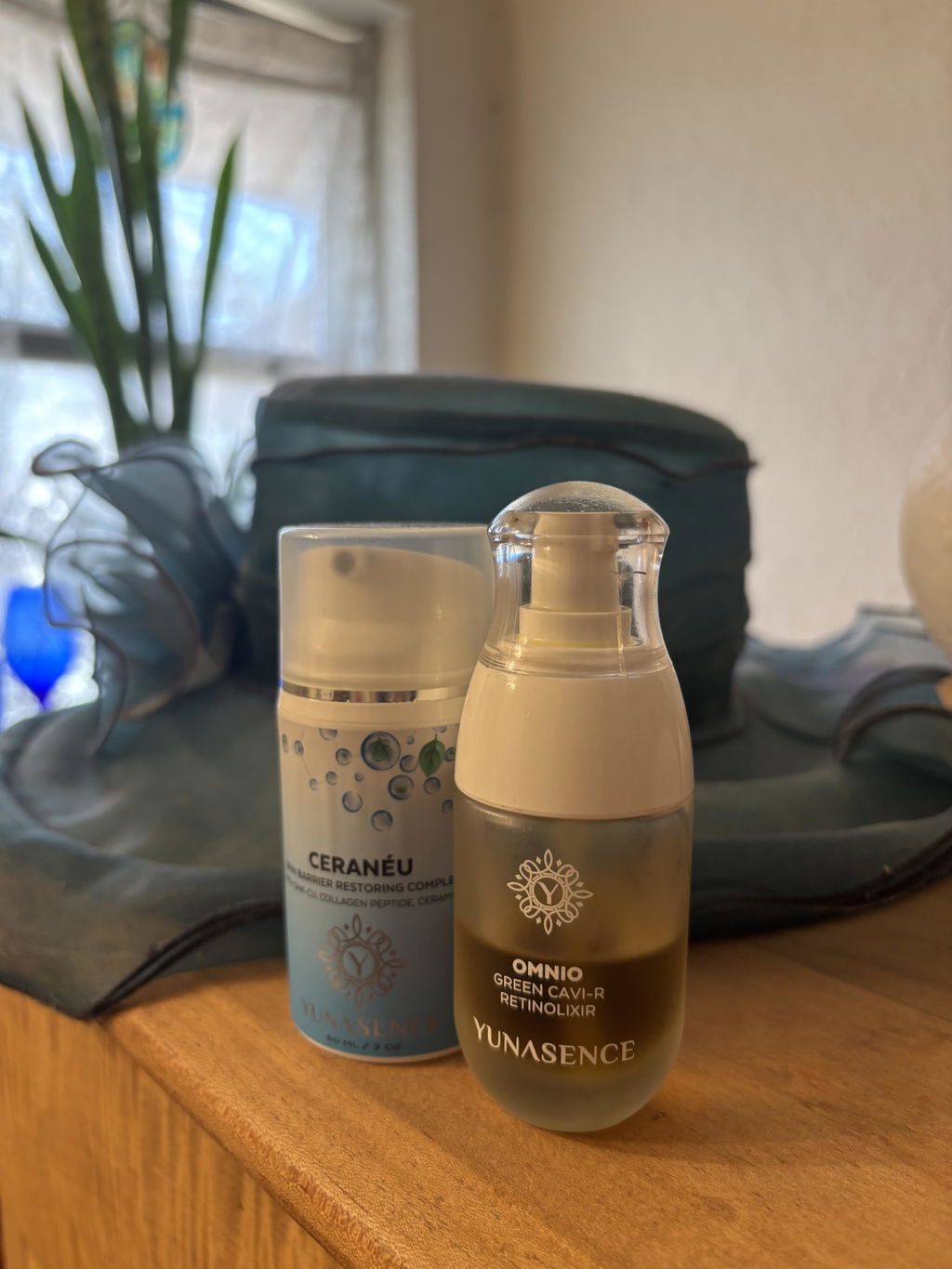
4. Lean on a barrier-support moisturizer. This is where ceramides and supportive lipids earn their keep, replenishing the "mortar" your barrier relies on. It's part of why we built our CERANÉU moisturizer around ceramides and copper peptides in the first place, to give compromised skin the structural support it needs while it recovers, without any harsh or unnecessary extras. If your skin is also a little dry, or you live in a cold, harsh climate, you may enjoy our SELENIYA Nourishing Skin Barrier Concentrate.
5. Never skip sunscreen. Broad-spectrum SPF 30 or higher, every single day. Damaged skin is more vulnerable to sun exposure, so this step isn't optional during a repair phase.
6. Reintroduce actives slowly, one at a time. Once your skin feels calm again, bring back one active ingredient at a time, and watch how your skin responds before adding the next.
How Long Does It Take?
Most people see meaningful improvement within two to four weeks, though it depends on how much repair is needed. Skin cells have their own natural turnover cycle, so this isn't something you can rush. Consistency matters more than intensity here.
The Bottom Line
Your acid mantle and your skin barrier aren't the same thing, but they're partners, and when one struggles, the other usually feels it too. The fix for both is refreshingly simple: gentle cleansing, a pause on actives and exfoliation, consistent barrier support, and daily sun protection. Give your skin the time it needs, and it will do what it was built to do.
Consistency beats miracles, always.