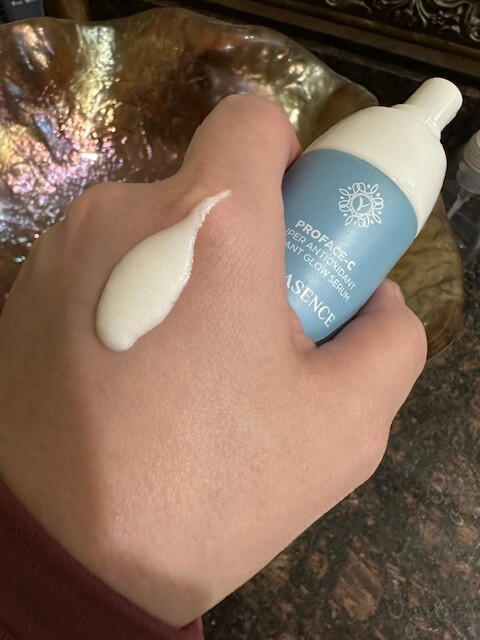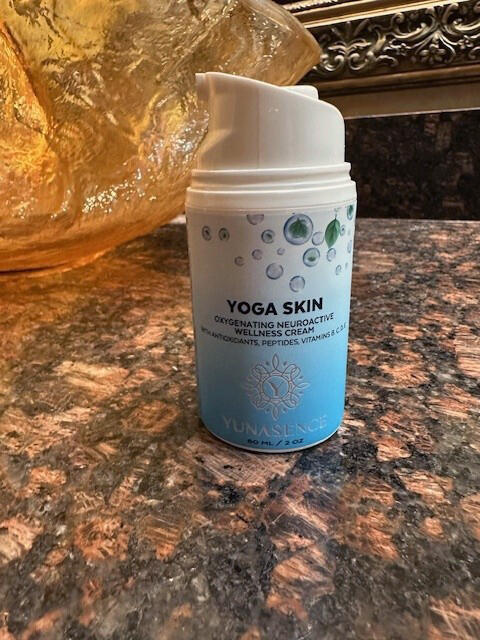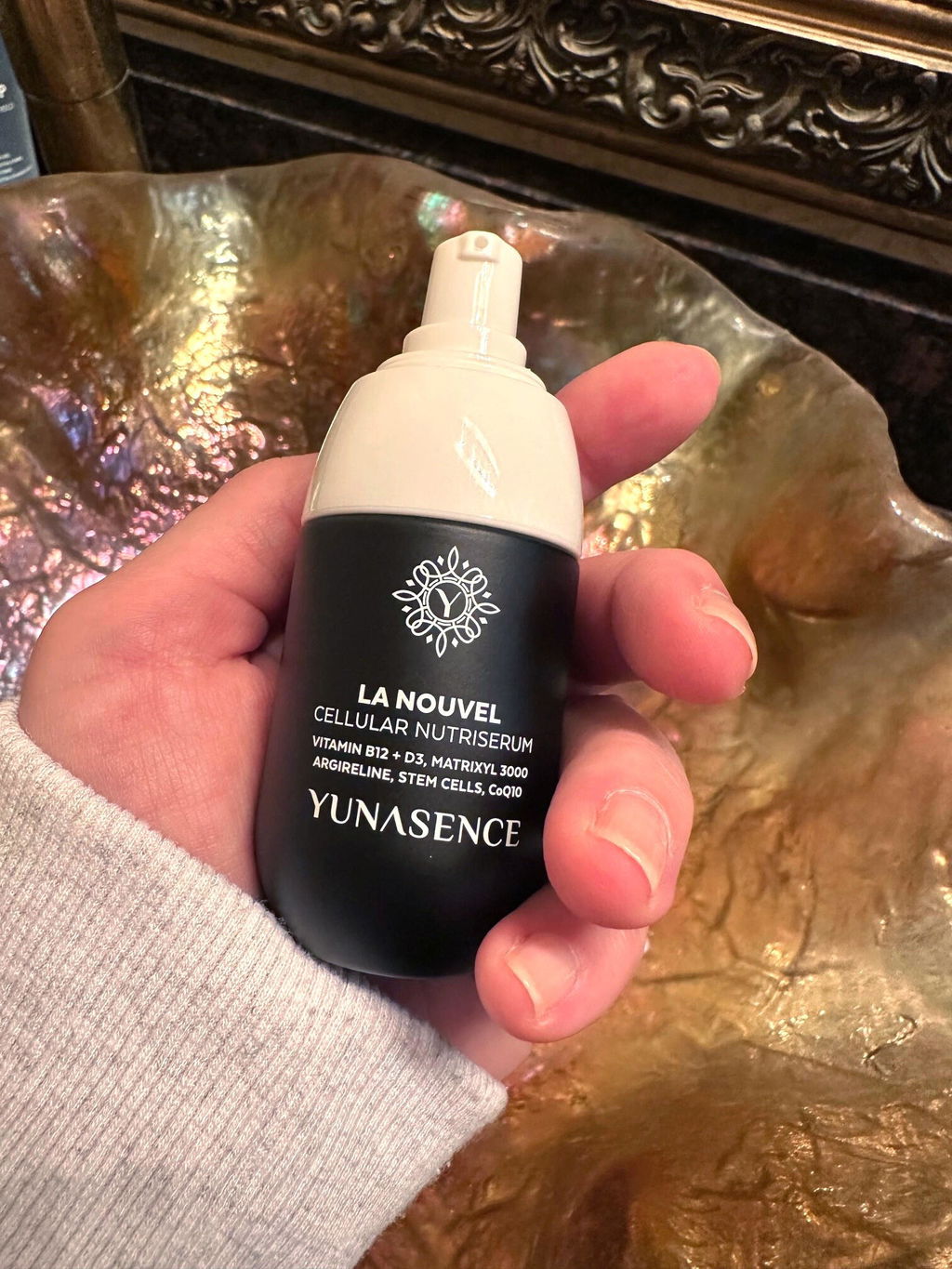


If you've ever flipped over a skincare bottle and stared at the tiny print like it's ancient code, you're not alone. Ingredient lists can look intimidating, but once you understand the basics, they become your best friend. Knowing how to read them means you control what goes on your skin, not clever marketing.
As an esthetician who understands how skin behaves and a cosmetic chemist who knows how skincare is built, I’m here to help you decode ingredient lists with confidence - so you can choose products that truly serve your skin.
Where to Start: The First 5 Ingredients Tell You the Most.
Skincare ingredient lists follow the INCI format (International Nomenclature of Cosmetic Ingredients), which means everything is listed from highest to lowest concentration - until you hit ingredients below 1%, which can be listed in any order.
So, when scanning a product, start with the first 5 ingredients. These usually make up 80–90% of the formula. If your star ingredient isn’t up there? It might just be in for marketing.
Where the Active Ingredients Hide.
The true stars - the actives - are the ingredients meant to do something: exfoliate, brighten, firm, hydrate, soothe, or protect.
They’re often found just after the top five, in the middle third of the list. This is where you’ll spot:
Niacinamide (Vitamin B3)
Retinol or Retinaldehyde
Vitamin C (L-Ascorbic Acid, THD Ascorbate)
Peptides
Salicylic Acid (BHA)
Glycolic, Lactic, Mandelic Acids (AHAs)
Ceramides
Azelaic Acid
💡Pro tip: If a product says it “contains” a certain hero ingredient but it’s listed after fragrance/essential oils or colorants, it’s likely in such small amounts that it’s not effective.
- Exception can include peptides. In it's pure, undiluted (powder) form suggested use can be 0.05%-0.3%.
How to Guesstimate Ingredient Percentages.
Here’s a sneaky secret: you can often estimate the percentage of ingredients based on where they appear on the list and how they’re commonly used.
Here’s a cheat sheet of common actives and their typical effective ranges:
Niacinamide - 2 – 5% (Some go up to 10%, but higher can irritate.)
Vitamin C (L-Ascorbic Acid) and derivatives - 10 – 20% (Optimal range for brightening and collagen support.)
Glycolic Acid - 5 –10% for safe at-home use.
Salicylic Acid - 0.5 – 2%.
Retinol - 0.25 – 1% (Start low!).
Peptides - Often effective at 1–2% (in solution).
Ceramides - Often included at 0.5–1%.
Hyaluronic Acid - Works well even at 0.1–1%
If you know that phenoxyethanol, a preservative, is limited to 1% max by regulation, anything listed after it is likely under 1% too.
Comparing Products Side by Side.
So how do you decide for example, which niacinamide serum is better?
Compare:
Ingredient order (is niacinamide in the top 5?)
Supporting ingredients (does it have calming agents like panthenol or hydration boosters like glycerin?)
Irritants or unnecessary extras (like added fragrance in a treatment serum?)
Price per mL or oz
A product with 10% niacinamide as the second ingredient and a $20 price tag? Likely a better value than a $90 serum with niacinamide at the bottom.
Is the Price Tag Worth It?
Here’s the truth: expensive doesn’t always mean better. You’re often paying for:
Packaging.
Brand name or famous celebrity name.
Marketing (if a brand is in your face everywhere you look, yes, you are paying for that marketing)
Texture/fragrance/luxury feel. (usually based on silicone based ingredients and artificial fragrance).
That said, higher price tags can sometimes mean:
Better delivery systems (like stabilized vitamin C or encapsulated retinol).
More research-backed formulations.
Peptide blends or biotech ingredients that are costly to produce.
Elegant textures that layer beautifully in routines.
So - check the list, not the hype. If a $120 cream has the same ingredient deck as a $30 one? Save your coin.
Final Tips From Your Esthetician/Formulator Bestie:
Don’t be dazzled by fancy-sounding ingredients in Latin - many are just emulsifiers or stabilizers. But also don't get alarmed by the ingredients you can't pronounce. 90% of them are harmless. Something doesn't sound familiar - Google or Chat GPT to the rescue.
Fragrance isn’t always evil, many fragrances these days are plant based. But if not sure, better without, or use products where essential oils are used to deliver olfactory benefits.
Bottom line? Become a label detective. Your skin (and your wallet) will love you for it. And once you know how to read between the lines, you'll never fall for hype over function again.