

By a cosmetic chemist and esthetician with 30 years of experience
Think of a grape and a raisin. Same fruit - entirely different story. The difference? Water. Before anything else, your skin needs to be hydrated. Everything else follows from there.
I've spent 30 years working with skin - in Europe and the United States, as an esthetician, a cosmetic chemist, and a formulator. I've worked alongside brands like Chanel, Yves Saint Laurent, and Christian Dior and learned all in ins and outs of this world. And in all that time, the single biggest problem I see isn't bad skin. It's bad information.
Social media has given a megaphone to 20-year-olds who have never watched their skin age. They market products as one-size-fits-all solutions, promise quick fixes, and move on to the next trend before anyone notices whether it worked. Meanwhile, real people with real skin are left with redness, peeling, and sun damage - and no idea why.
Here's the truth: there are no quick fixes. Your skin is a living organ - not wood and nails. It responds to consistency, intention, and the right ingredients in the right order. That's what I'm going to give you.
Your morning routine
First, stop washing your face with cleanser in the morning. Your skin didn't get dirty while you slept. A splash of cool water is enough.
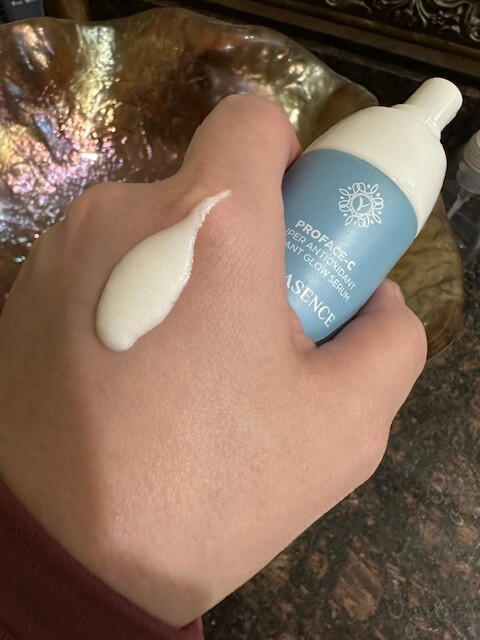
After that, reach for an antioxidant serum. This is your daytime armor. Look for ingredients like Vitamin C, Resveratrol, Ferulic acid, Green tea, CoQ10, and Niacinamide. These neutralize free radicals from sun exposure and pollution - the primary drivers of visible aging. A toner is optional in the morning unless it contains something your serum doesn't, like a targeted active.
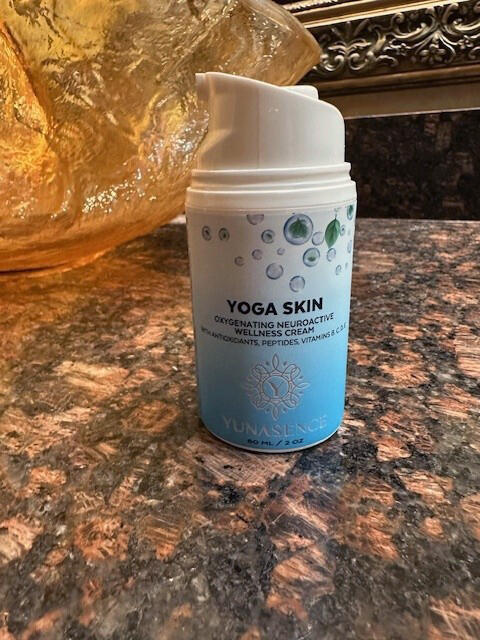
Finish with a good hydrating moisturizer and SPF. A moisturizer with SPF built in is even better - one less step, one less reason to skip it. And you will not skip it. Sunscreen is non-negotiable.
Morning at a glance
Your evening routine
Night is when your skin repairs itself. This is your indulgence - and your most important window.
Start with a double cleanse. One pass often leaves residue behind, especially if you've worn SPF or long-lasting makeup. No excuses here - cleansing at night is mandatory.
Follow with a pH balanced mild toner containing AHA (look for glycolic acid). It gently removes dead skin cells, boosts collagen production, and helps your next products absorb better. It also just feels good - and that matters.
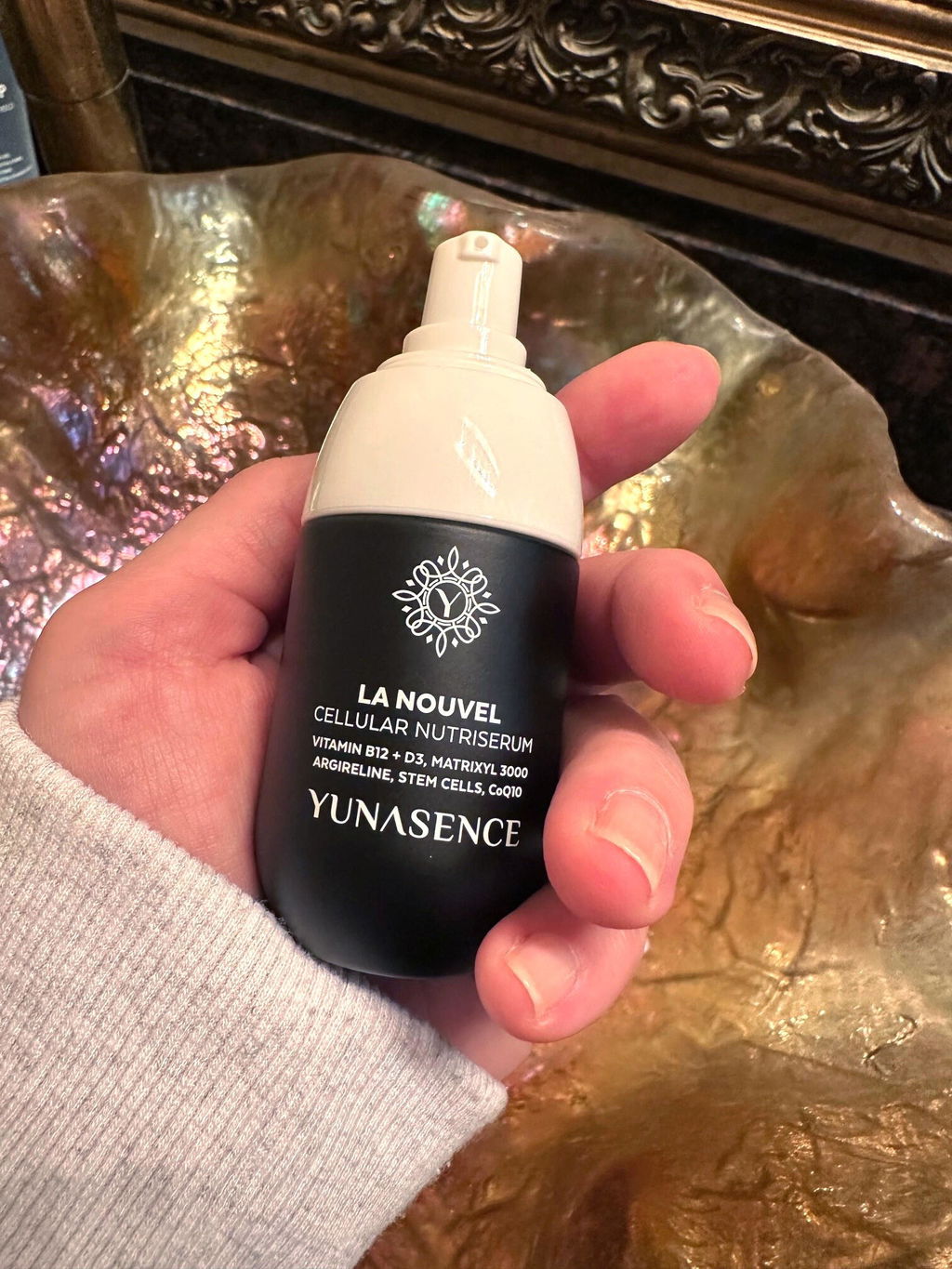
Then apply a regenerative serum. Retinol is the gold standard for anti-aging - it accelerates cell turnover and stimulates collagen. If you're sensitive, Bakuchiol is a botanical alternative that delivers similar results without the irritation. Many of these serums also contain Hyaluronic acid, which is a great combination: repair and hydration in one step.
Finish with a richer cream than you'd use in the morning. Look for ceramides, peptides, plant butters, and oils. This creates an occlusive layer that seals in everything you've applied and works while you sleep.
Evening at a glance
What happens when you get it wrong
I recently spoke with a client - I'll call her 'S' - a 51-year-old woman who had been following TikTok advice religiously. She was using Retinol products both morning and night, skipping sunscreen, and layering on more products thinking that more meant faster results.
When she reached out to me, her skin was dry, peeling, and visibly sun-damaged. The Retinol - a nighttime ingredient - was making her skin photosensitive, and without SPF, she was accelerating the very aging she was trying to prevent.
We kept her Retinol but moved it strictly to evenings. In the morning, we switched her to a hydrating serum focused on replenishment and a botanical retinol alternative she could safely use during the day. We also added sunscreen. Within a couple of weeks, her skin began to recover and look much more plump and radient.
The lesson isn't that Retinol is bad. It's that the right ingredient at the wrong time can work against you. Daytime is for hydrating and protecting. Nighttime is for regenerating and repairing. That distinction is everything.
How to be an informed buyer
Before you buy anything, read the ingredient label. Not the marketing copy on the front - the actual INCI list on the back. Ingredients are listed in descending order of concentration. If a key active appears near the bottom, behind a long list of other ingredients, it's likely present in amounts too small to do anything meaningful. (Exception: peptides, if they are used in their original powder form, not diluted)
Ask yourself: does this product actually contain what it promises? Does it make sense for my skin type? Was it recommended by someone who understands skin chemistry - or someone who was paid to post about it?
I've spent 30 years formulating products, and I can tell you that efficacy lives in the formulation, not the packaging. A beautiful bottle with a high price tag from a luxury brand can still have a mediocre formula. A simple, well-formulated product from a smaller brand can outperform it entirely. Know what you're putting on your skin.
Be smart. Be consistent. Be intentional. Don't chase trends or quick fixes - they don't exist. Read your labels. Build a routine that makes sense for your skin, not someone else's.
Beauty is a journey, not a destination.