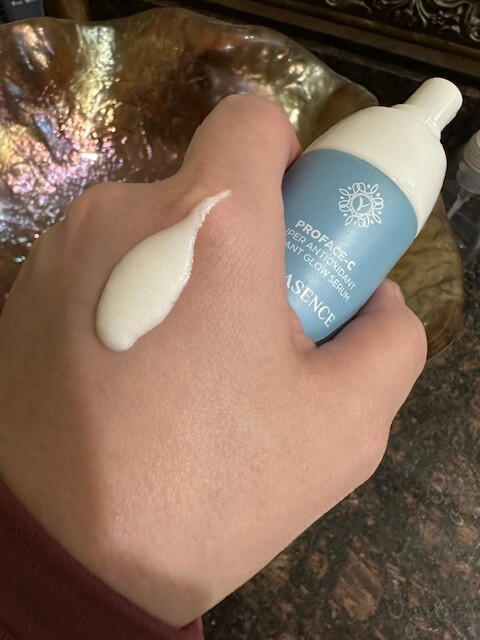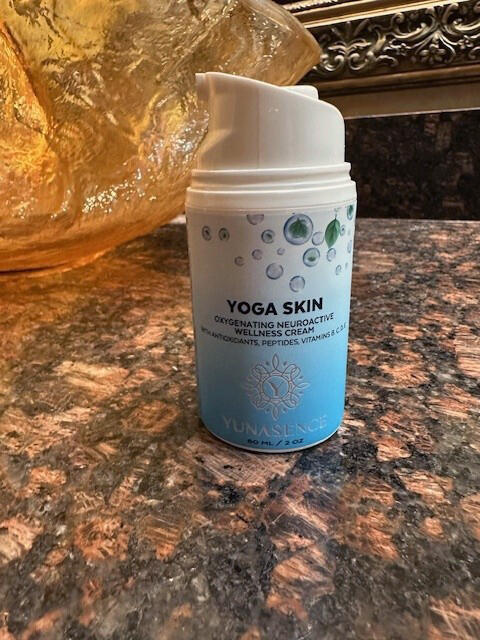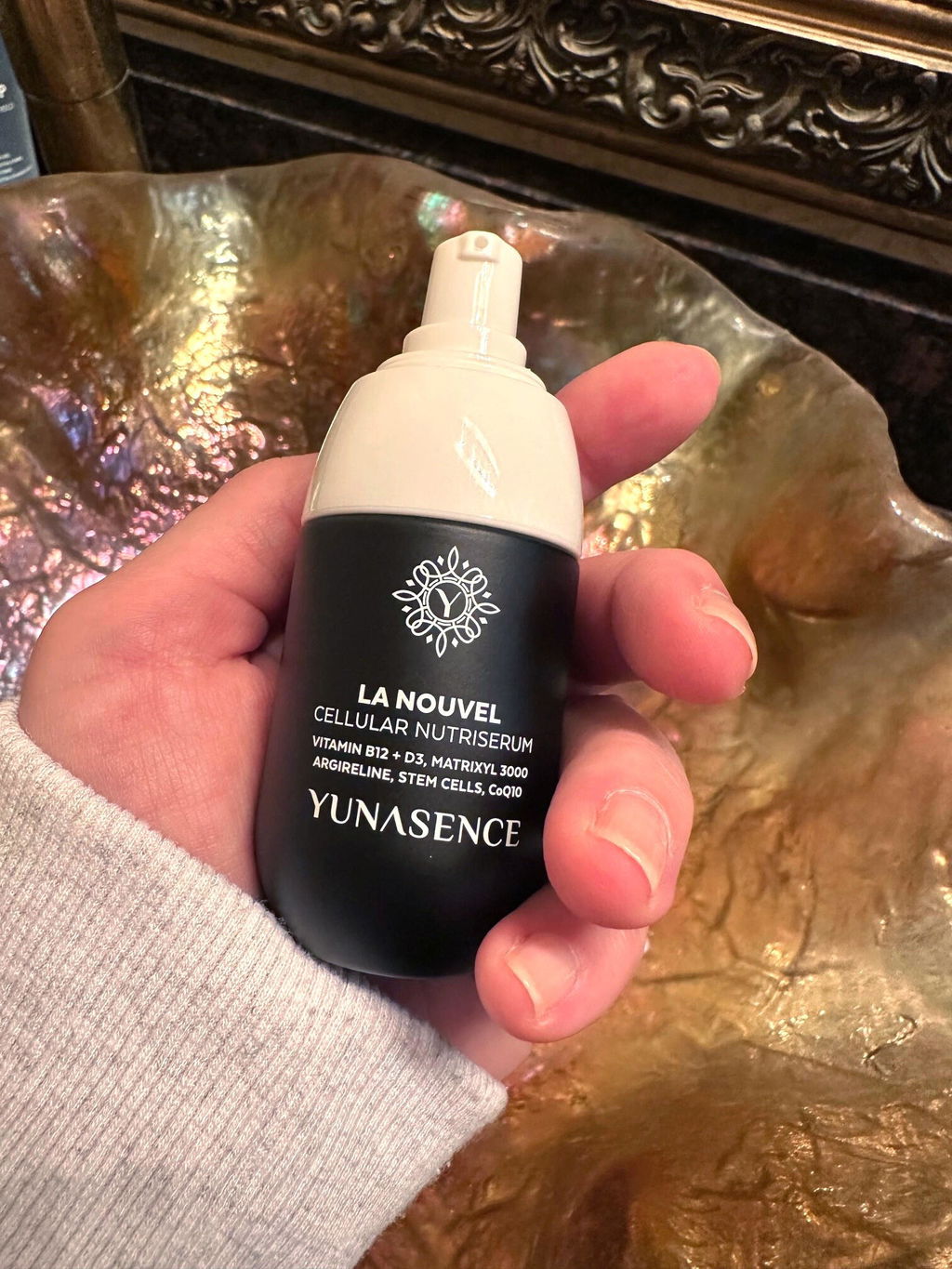


Let's get this out of the way: making a skin care product at home is fun. Almost everyone has thrown together a DIY face mask or a homemade toner in their kitchen at some point, oatmeal, honey, maybe a little too much enthusiasm. And technically? It's not hard. You can absolutely mix things in a bowl. Whether that product is safe to actually use, store, sell, or gift, though, is a whole different question. YouTube is packed with recipes for "the next big beauty thing," and almost none of them mention the part where your product needs to actually survive contact with the real world. Let me pull back the curtain on what formulating skin care really looks like.
Step 1: The Lightbulb Moment
Every product starts with a spark. Sometimes it's a genuinely new idea, something that doesn't exist yet. More often, it's "this exists, but I know I can make it better." Better texture, smarter delivery, a safer preservation system, or a fresh ingredient that just came onto the scene with better data behind it. Before a single ingredient gets ordered, we decide what the product should look like, feel like, smell like, and perform like, plus the non-negotiable list of what it must contain and what it absolutely cannot.
Step 2: Reality Check
The idea goes through a gauntlet of regulatory and chemical compatibility checks, including rules from other countries, because a formula that's fine in one market can be a problem in another. This is where things get genuinely tricky, especially when we're trying to build a natural version of something that started life as a synthetic. Spoiler: natural ingredients almost never perform identically to their synthetic cousins. So there's a lot of trial, error, and quiet muttering at the lab bench trying to get close.
Step 3: The Great Ingredient Scavenger Hunt
Once we know what we need, we start sourcing. Structure-building ingredients, the right preservative for our product's pH and format, and the star active ingredients that will actually deliver on our claims. No single supplier carries everything, so this becomes a bit of a treasure hunt across multiple vendors, each with their own specialty.
Sometimes we get lucky and already have what we need on hand. Other times, an ingredient only comes in minimum order sizes like 100 kilos, which is a fun problem when you only need a teaspoon's worth. (The precious stuff can literally expire before we finish the batch.) Add in 4 to 8 week lead times for rare or trending ingredients, and suddenly "let's make a product" turns into "let's wait."
Step 4: The First Sample Is Always Ugly
Once every ingredient finally arrives, we make sample number one. And here's a fun truth of formulation: the first sample is usually never good. Never. It's evaluated purely on look, feel, scent, and absorption, no active ingredients included yet, because it would be criminal to waste those on a version we already know needs work. First samples are always the worst and somehow always the most memorable.
Then we tweak, and make sample two. Evaluate. Tweak. Sample three. Sample four. This can go on for six to ten rounds before something finally feels right enough to test on actual skin. That's usually when family and friends get recruited as very willing (or very honest) guinea pigs.
Step 5: Listening to the Feedback (Even When It Stings)
Sometimes the feedback comes back with a wish list, different feel, different viscosity, different scent entirely. When that happens, it's back to the drawing board, sometimes rebuilding the structural ingredients from scratch. The golden rule here: what I love isn't automatically what everyone else will love, and the whole point is making something people genuinely want to use. We keep refining until we're hitting 80 to 90 percent glowing feedback. We aim for 100, but let's be honest, is that ever really possible?
Step 6: Putting It Through the Wringer
Once the formula earns its stripes, the real torture testing begins. Freeze-thaw cycles, microbiological testing, preservative challenge testing, packaging testing, scent testing, pH stability testing, the works. Products need to survive different climates, temperatures, and shipping conditions without flinching, whether they end up on a store shelf or in your bathroom cabinet.
Step 7: Naming the Baby
Finally, once everything passes, the fun part returns: naming it, writing a description that actually captures what it does, and designing packaging that's as appealing on the shelf as the formula is on skin.
All told, this whole journey from lightbulb moment to finished bottle can take a year, sometimes longer. Ingredient delays, feedback loops, and the occasional preservative that fails testing at the eleventh hour (sending us straight back to square one) are just part of the ride. It's a lot more involved than tossing ingredients in a bowl, no matter how it looks on YouTube. But even with the setbacks, it's genuinely one of the most fun jobs I know.