

What's the first product you reach for in your skin care routine? Cleanser? Toner? Scrub? Thanks to the (very appreciated, if slightly overwhelming) influence of 10-step Korean skin care, the product lineup these days can get long. But how you apply your products, and in what order, matters just as much as which products you choose. Many active ingredients simply perform differently, or not at all, when layered in the wrong sequence. Let's break down the correct order of skin care application, step by step.
Step 1: Start with Toner (after cleansing)
The goal of any good skin care routine is to feed your skin hydration first, then lock that moisture in. That means paying close attention to texture, and the rule of thumb is simple: thinnest product first, thickest last. Right after cleansing, that's your toner. Choose the formula that matches what your skin needs that day, hydrating, soothing or exfoliating. Toners are the most liquid of all skin care products, and there's something genuinely refreshing about that cool, light finish after cleansing. Saturate a cotton pad (a gentle exfoliation bonus) or press it into your skin with clean hands.
Step 2: Exfoliate Before You Tone
Here's a small but important twist: exfoliation actually belongs right after cleansing and before toner, not after. Serums, moisturizers, and treatments all absorb better into freshly exfoliated skin, once dead skin cells are cleared away, everything else works harder. So exfoliate right after removing your makeup or cleansing, then follow with a dab of toner pressed into skin. It's the one exception to the thinnest-to-thickest rule, since it's rinsed off rather than left on.
Tip: If you love a multitasking step, our Biomaze Balm-to-Milk Perfecting Cleanser handles cleansing and exfoliating in one gentle motion.
A quick note on pH: pause briefly between products, since many active ingredients are formulated to work within a specific pH range. AHA-based toners and moisturizers perform best around pH 4 to 4.5. Niacinamide wants pH 5 to 7. Vitamin C is naturally closer to pH 3.5, though it's typically buffered to a gentler, skin-friendly pH 4.5 in finished products. Mixing products with different pH levels back to back can cancel out their effectiveness, so let one fully absorb before applying the next.
Step 3: Target Your Skin Concern with Serum or Essence
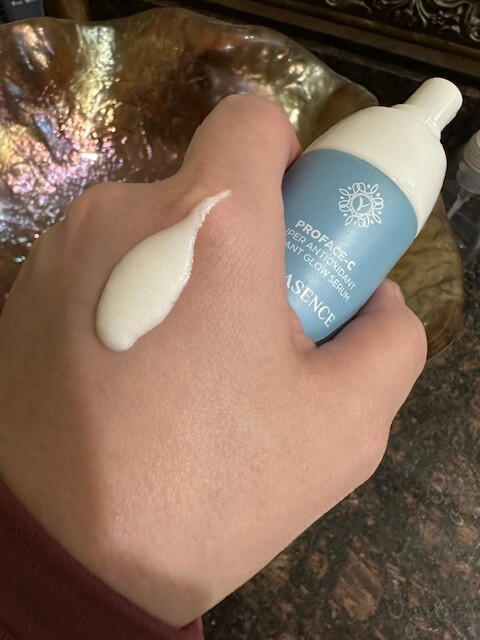
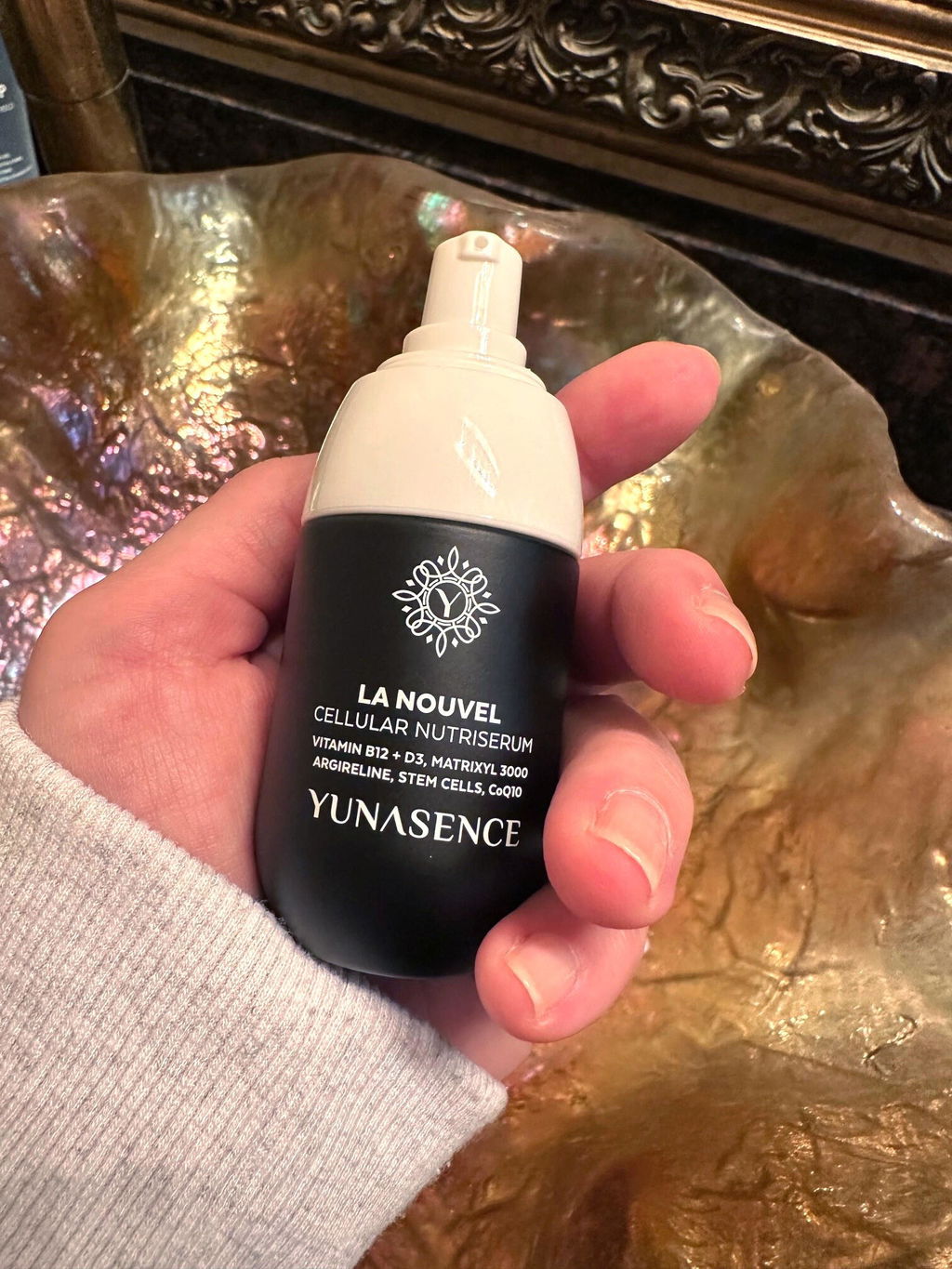
Once toner has done its job, it's time to address your specific skin concern, whether that's unevenness, roughness, dehydration, or fine lines and wrinkles. Serums and essences come next in the lineup, water-based and liquid, but slightly thicker than toner. These are the most concentrated products in your routine, which is why they usually come in the smallest bottles and why a drop or two goes a long way.
- Dry or dehydrated skin: reach for a hyaluronic acid serum
- Uneven tone or brown spots: look for vitamin C, alpha arbutin, or niacinamide
- Rough texture: an AHA-based serum helps smooth things out
- Fine lines and wrinkles: retinol or bakuchiol are your go-tos
Apply with light pressing motions and give it a minute to absorb. Tip: Layering two serums for different concerns is totally fine, just let the first fully absorb before applying the second, and use a light hand. Gel serums tend to roll on skin if you apply more than it can absorb. Less really is more here.
Step 4: Seal Everything In with Moisturizer
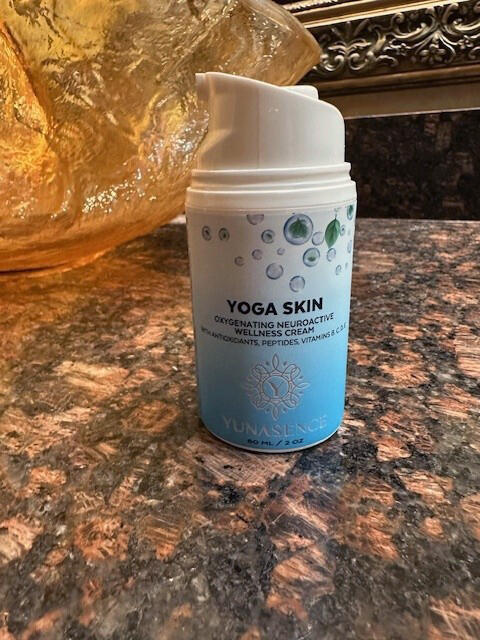
Lotion, cream, or balm is your final step. These richer formulas typically contain waxes, oils, and butters that create a comforting, protective seal, preventing water loss and locking in everything you've layered underneath. Facial oils fall into this category too. Match the formula to your skin type: oily skin often does best with an oil-free moisturizer or gel, dry skin welcomes a richer cream, oil, or balm, and very dry skin or cold climates can benefit from a water-free balm. Apply with gentle upward pressing or circular motions.
And that's it, as easy as one, two, three, four. Thinnest texture to thickest, in that order, every time.